The Carry-On Pharmacy: Traveling With Acyclovir Without Letting the Trip Run Your Regimen

Photo: travel pill bottle in carry on luggage airport security, via fullsuitcase.com
Travel asks a lot of a medication routine. Flights compress time, hotel rooms replace home storage, and the pharmacy you rely on may be hundreds of miles away. For people who take acyclovir for herpes suppression, outbreak treatment, or prophylaxis, the goal is not to build an elaborate travel pharmacy. It is to keep the same steady routine in a different zip code.
Keep the Prescription Container in Your Carry-On
The original labeled bottle is still the best travel case. It carries the drug name, strength, patient name, prescriber, and pharmacy information in one place. Security officers and international border staff may not ask for it, but the label answers questions before they become complicated. Pack acyclovir in carry-on baggage rather than checked luggage. Checked bags get lost, sit on hot tarmacs, and spend hours in unheated cargo holds. A carry-on keeps the medication with you and reduces the chance that a delayed suitcase becomes a missed dose.
For international trips, add a brief letter from the prescriber that states the medication, dose, and reason for treatment. Keep it with the prescription or in a travel document folder. Acyclovir is prescription-only in the United States, and rules vary elsewhere. Do not assume that a foreign pharmacy can refill a US prescription without local authorization.
TSA, Liquids, and the Screening Lane
Acyclovir tablets and capsules are not subject to the 3.4-ounce liquid rule. They pass through standard screening with other solid medications. Liquid acyclovir suspensions are different. TSA permits medically necessary liquids in quantities above 3.4 ounces, but travelers should declare them at the checkpoint and present them separately for screening. Keep the prescription label attached and avoid packing the suspension in a way that makes it hard to remove.
Screening is not the only issue. Heat and freezing can damage a suspension or make it separate. Do not place liquid medication in a checked bag or leave it in a hot vehicle. If the label says to store at room temperature, treat that instruction as a travel rule, not a home-only suggestion.
Heat, Humidity, and the Rental Car Glove Box
Acyclovir tablets generally should be kept at controlled room temperature and protected from moisture. A hotel room is usually fine. A car is not. The glove box, dashboard, trunk, and beach bag can reach temperatures that exceed the label range. Humidity is the quieter problem. Bathrooms, pool bags, and plastic pill cases left near a shower can expose tablets to moisture that affects stability.
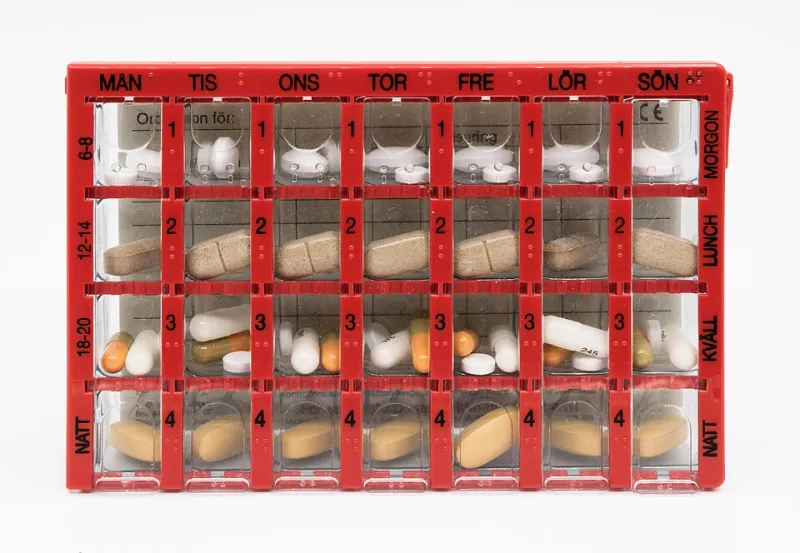
Use the original bottle with its lid closed. If you use a daily pill organizer, fill it for the trip rather than for the month, and keep the organizer out of direct sun. Do not refrigerate tablets unless the label specifically says to do so. Freezing is not a reliable way to preserve medication.
Time Zones and the Daily Dose
Daily suppressive therapy depends on consistency, not on the clock display in a new city. A traveler crossing several time zones has two reasonable choices: keep the dose on home time for a short trip, or shift the schedule gradually. The wrong move is to double up because two doses seem close together or to skip a dose because the schedule feels inconvenient.
For episodic treatment, timing matters more. Acyclovir works best when started early in an outbreak, and a travel day can delay that start. Carry the medication in the same bag as your wallet or passport if you are prone to outbreaks during travel. Set a phone alarm that adjusts automatically to local time, and keep a written note of the last dose. Ask the prescriber or pharmacist how to handle time-zone changes for your specific regimen. The answer depends on whether the prescription is daily suppression, short-course treatment, or prophylaxis.
Refills Away From Home
Pack more than the exact number of days you will be away. A weather delay, an extended trip, or a lost bottle should not turn into an urgent pharmacy search. Before leaving, check the refill date and ask the pharmacy whether the prescription can be transferred to a chain location near your destination. Many large US pharmacy chains can transfer prescriptions between stores, but controlled substances and certain state rules are exceptions. Acyclovir is not a controlled substance, which makes transfer generally easier, but insurance networks still matter.
If you use a mail-order pharmacy, request a vacation supply or arrange a shipment to a trusted address. Keep the pharmacy phone number and your insurance member ID available. Do not borrow acyclovir from a travel companion and do not buy it from an online seller without verifying the pharmacy. Counterfeit and improperly stored medications are a real risk in some international markets.
A Pre-Trip Checklist
Before leaving home, confirm the bottle is labeled, the supply covers the trip plus a buffer, the prescriber letter is packed for international travel, and the medication is in carry-on luggage. Check the storage instructions on the label. Set dose alarms for local time. Save the pharmacy and insurer phone numbers. Carry a list of other medications and allergies. If you have kidney disease or take other prescriptions, ask the pharmacist whether travel-related dehydration or new medications could affect acyclovir.
Travel does not have to become a test of memory and improvisation. A labeled bottle, a carry-on bag, a modest buffer supply, and a clear plan for time zones can keep acyclovir working the way it does at home. The point is not to carry anxiety across borders. It is to carry the medication correctly and leave the worry behind.