The Interaction Map: How Acyclovir Collides With America's Most Common Prescriptions
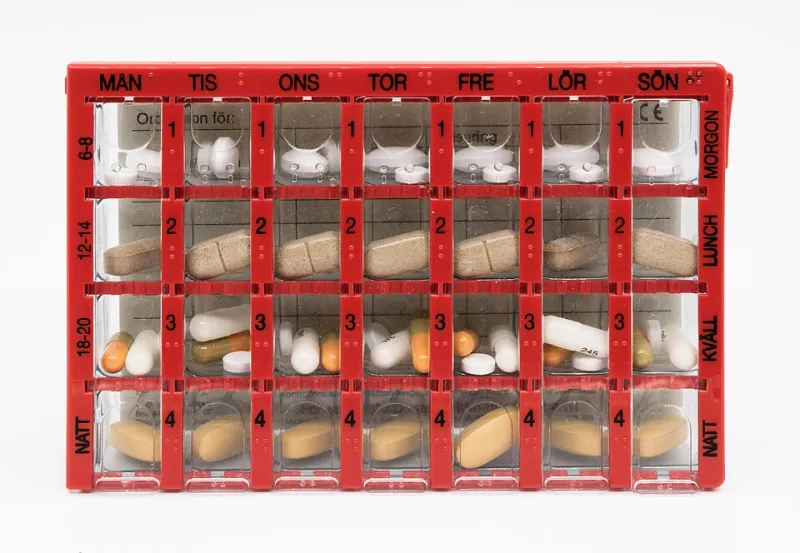
Photo: Jacek Halicki, CC BY-SA 4.0, via Wikimedia Commons
Drug interaction checkers tend to focus on dramatic, headline-grabbing combinations. Acyclovir's interactions are quieter but no less important, particularly because the population taking antivirals often overlaps heavily with those managing chronic conditions. Here is what the evidence shows about the most relevant combinations for US patients.
Why Acyclovir Is Uniquely Interaction-Prone
Acyclovir is eliminated almost entirely by the kidneys, which concentrate the drug in urine as they filter it. Anything that competes for that elimination pathway — or that burdens kidney function — can raise acyclovir levels in the blood and increase the risk of neurological and renal side effects.
The Usual Suspects
Nephrotoxic medications. Drugs that stress the kidneys compound acyclovir's renal workload. Notable examples include:
- NSAIDs such as ibuprofen and naproxen, found in countless American medicine cabinets
- Diuretics like furosemide and hydrochlorothiazide, prescribed for hypertension and heart failure
- Certain blood pressure drugs, particularly ACE inhibitors and ARBs in combination with the above
Nephrotoxic antibiotics and antifungals. Combinations with drugs like gentamicin or amphotericin B warrant close monitoring in hospitalized or seriously ill patients.
Probenecid. This gout medication directly blocks acyclovir's kidney excretion, slowing clearance and raising blood levels. Patients on both should alert their prescriber.
CNS-active medications. Because elevated acyclovir levels can cause confusion, tremor, or hallucinations — especially in older adults or those with reduced kidney function — caution is advised when combined with other drugs affecting the central nervous system.
Cimetidine and certain anticonvulsants have also been shown to alter acyclovir clearance in clinical studies.
Supplements and Lifestyle Factors
Herbal products with potential kidney effects — including high-dose licorice root or certain traditional diuretic blends — deserve a mention during your pharmacy review. Dehydration, too, functions functionally like an interaction: concentrated urine means higher drug concentrations in the renal tubules and a greater risk of crystal formation.
Your Pharmacist Interaction Checklist
Print or write down the following and bring it to your next pharmacy visit:
- Complete list of prescriptions, over-the-counter drugs, and supplements
- Any history of kidney disease or reduced kidney function
- Your typical daily water intake
- Whether you regularly use NSAIDs for pain
- Any recent hospitalizations or new medications
- Questions about timing — should any medications be spaced apart?
The Advocacy Angle
Too many patients assume that because their medications come from different prescribers, someone else is checking for conflicts. In a fragmented US healthcare system, that assumption often fails. Your pharmacist is the single most accessible medication expert you have — use them. A five-minute interaction review costs nothing and can prevent serious complications.